Bysonu
Global Trade Analytics 919499111, 120923789, 335810141, 120365333, 3302952123, 8339501947
Global trade analytics relies heavily on specific data identifiers, such as 919499111 and 120923789. These identifiers streamline cross-border transactions and ensure compliance with regulatory standards. By examining trade flows associated with these codes, businesses can uncover critical insights into market dynamics. Such analysis raises questions about the strategies companies employ to navigate international trade challenges. What implications do these findings hold for the future of global commerce?
Importance of Data Identifiers in Global Trade
Although global trade has become increasingly complex, the role of data identifiers remains crucial in ensuring efficient transactions and regulatory compliance.
Identifier standardization enhances data accuracy, facilitating seamless communication across borders. By implementing uniform data identifiers, businesses can minimize errors, streamline operations, and navigate regulatory frameworks effectively.
This standardization empowers entities to maintain autonomy while adhering to the intricacies of international trade.
Analyzing Trade Flows and Market Dynamics
A comprehensive analysis of trade flows and market dynamics reveals critical insights into the interconnectedness of global economies.
By examining trade patterns, analysts can identify emerging market trends that influence supply chains and consumer behavior.
Such insights empower stakeholders to make informed decisions, fostering economic resilience and promoting the free movement of goods, ultimately enhancing global trade relationships and market efficiency.
Leveraging Technology for Enhanced Insights
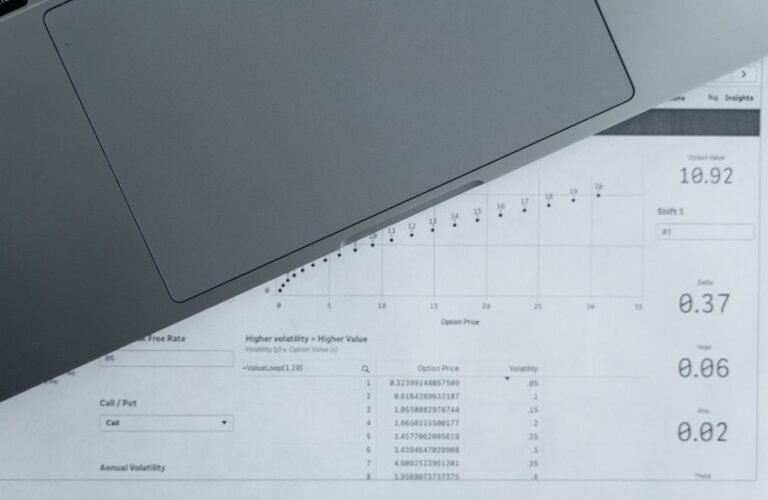
The integration of technology into trade analytics significantly enhances the ability to interpret complex data sets related to global trade dynamics.
By employing data visualization techniques, stakeholders can discern trends and anomalies more effectively.
Furthermore, predictive analytics empowers businesses to forecast market shifts, enabling informed decision-making.
This technological leverage ultimately facilitates a more agile approach to navigating the complexities of international trade.
Strategies for Navigating International Trade Challenges
While navigating international trade challenges may seem daunting, businesses can employ a variety of strategic approaches to mitigate risks and enhance operational efficiency.
Effective risk management requires understanding trade policy and compliance strategies, while addressing cultural differences in negotiations.
Strengthening supply chain resilience and employing targeted negotiation tactics can facilitate smoother international transactions, ensuring adaptability in an increasingly complex global market.
Conclusion
In conclusion, data identifiers such as 919499111 and 120923789 are pivotal in transforming global trade analytics, enabling businesses to optimize operations and enhance compliance. For instance, a hypothetical company leveraging these identifiers might identify a surge in demand for a specific product in South America, allowing them to adjust their supply chain proactively and increase market share. This analytical approach not only fosters economic resilience but also strengthens global trade relationships by facilitating informed decision-making.