ByJohn A
Matrix Elevator Access Control Module: Secure Vertical Movement in Commercial Towers
In high-rise commercial towers, controlling vertical transportation is as critical as securing entrance doors. A comprehensive building access control system must extend beyond lobby entry points to elevators, which act as vertical gateways to restricted floors. The Matrix Elevator Access Control Module is designed to secure this vertical movement by integrating versatile connectivity, biometric precision, and cloud-enabled management tailored for modern and hybrid workforces.
As commercial buildings accommodate multiple tenants, flexible work arrangements, and sensitive departments, elevator access control becomes a foundational component of enterprise security architecture.
The Security Risks of Uncontrolled Elevators
In multi-tenant towers, once an individual gains entry to the lobby, unrestricted elevator access can allow movement to any floor. This creates vulnerabilities such as:
- Unauthorized access to executive offices
- Data center exposure
- Tenant privacy breaches
- Increased internal security risks
- Difficulty in tracing movement during incidents
Traditional elevator systems operate on open floor selection models, which are unsuitable for buildings requiring controlled access segmentation. A modern elevator access module integrates with centralized platforms to restrict floor selection based on authenticated identity.
How the Matrix Elevator Access Control Module Works
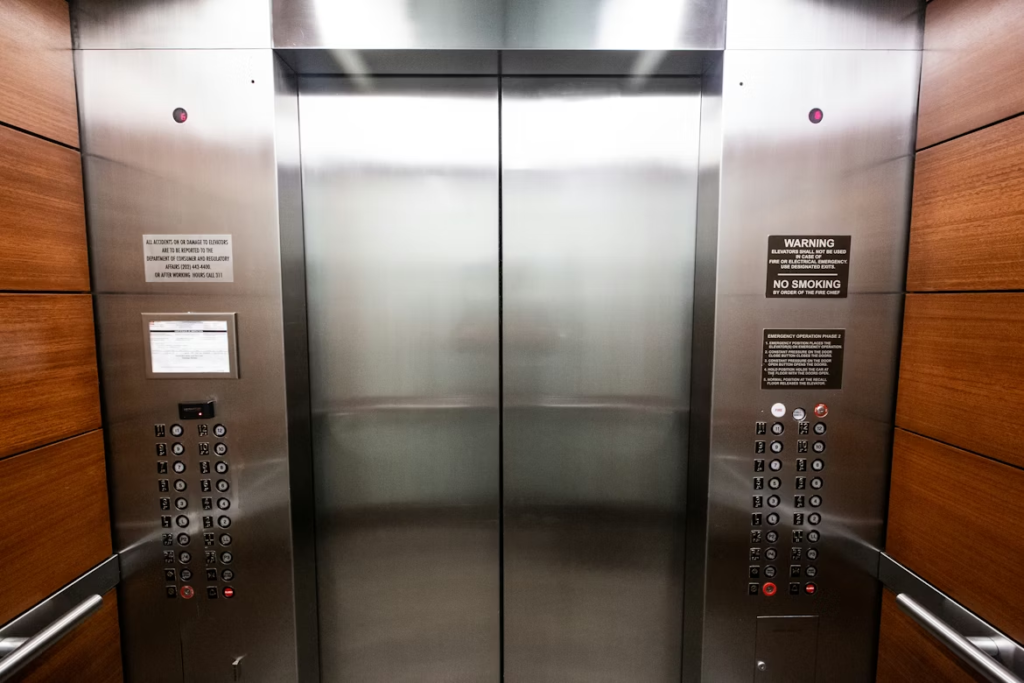
The Matrix Elevator Access Control Module connects directly with elevator control panels to regulate floor access. The architecture typically includes:
- Elevator interface controller
- Authentication device (card reader or biometric terminal)
- Centralized access management server
- Network communication infrastructure
Once a user authenticates via a biometric device or credential reader, the system activates only the floors authorized for that individual. All other floor buttons remain inactive for that session. This approach transforms elevators into intelligent access points rather than unrestricted transport mechanisms.
Biometric Precision for Identity-Based Floor Access
Modern commercial towers increasingly rely on biometric authentication for secure access. The Matrix module integrates with enterprise biometric devices to ensure identity verification before floor authorization.
Technical features include:
- Encrypted identity verification
- Secure floor-level permission mapping
- Real-time authentication response
- Anti-passback logic support
Biometric precision minimizes credential misuse and prevents unauthorized floor access through shared cards or stolen tokens.
Versatile Connectivity for Modern Infrastructure
One of the defining strengths of the Matrix Elevator Access Control Module is its connectivity flexibility. Commercial towers often require integration with complex network environments.
The module supports:
- TCP/IP LAN communication
- Integration with centralized servers
- Compatibility with distributed controller networks
- Cloud platform synchronization
In hybrid work environments where employees operate across multiple office locations, centralized connectivity enables administrators to update access permissions remotely and instantly.
Scalability for High-Rise Commercial Towers
Large commercial towers may contain dozens of floors and multiple elevator banks. The Matrix module supports scalable configurations capable of:
- Controlling multiple elevators per bank
- Managing hundreds of floor-level permissions
- Integrating with tenant-specific access policies
- Synchronizing with centralized identity databases
Scalability ensures that as tenant occupancy increases or building usage evolves, the system can adapt without infrastructure overhaul.
Improved Compliance and Audit Visibility
Security compliance in commercial towers demands accurate tracking of movement within restricted areas. Elevator access modules provide:
- Detailed access logs
- Timestamped floor authorization records
- Denied access reports
- User-based floor movement tracking
These records are valuable during internal investigations, compliance audits, and emergency response situations. In case of evacuation, administrators can review logs to identify which employees accessed specific floors during designated time frames.
Enhanced User Experience and Operational Efficiency
Despite its advanced security capabilities, the Matrix Elevator Access Control Module is designed for user convenience.
Features include:
- Fast authentication-to-floor activation response
- Seamless integration with existing credentials
- Reduced waiting time during peak hours
- Automatic permission enforcement
By automating floor access rules, the system eliminates manual oversight and reduces administrative burden.
Integration with Enterprise Ecosystems
Elevator control is most effective when integrated with other building systems. The Matrix module can operate alongside:
- Door controllers
- Visitor management systems
- HR platforms
- Surveillance monitoring systems
Such integration creates a unified security ecosystem where identity management remains consistent across all access points.
Why Elevator Access Control Is Essential in Modern Towers
With growing security concerns and evolving workplace models, elevator access control is no longer optional. It provides:
- Tenant isolation
- Floor-level security segmentation
- Enhanced data protection
- Compliance support
- Operational transparency
To secure vertical movement in your commercial tower, partner with ACIX Middle East for expert deployment of the Matrix Elevator Access Control Module. ACIX Middle East provides advanced access control systems and integrated Matrix Argo face recognition system solutions tailored to hybrid workforces. They also deploy all kinds of solutions, including arm gate barriers, smart attendance system, LPR systems, and Matrix Vega machines. Their technical team in the UAE and GCC ensures seamless integration, centralized management, and long-term support.
Contact ACIX Middle East today to implement secure, future-ready elevator access infrastructure.
About the Author
Jonathan Whitmore is a security infrastructure consultant specializing in high-rise building access technologies and enterprise biometric integration. He advises commercial developers on scalable and compliant access control architectures.